

Research Gap
Research gap is the gap in the knowledge in a field of study. Research is an investigation; a quest to find something; prove or disprove a hypothesis; what the researcher studies to establish facts is the research gap; what a researcher researches about is the research gap.
A PhD thesis or dissertation writing services is an inquiry of a knowledge gap in a given field of study that usually adds value to the field. So, it can be said that finding the research gap to research about is the first step in writing a research paper.
So how does one find a research gap?
Usually, the systematic way to finding a research gap begins with reading the literature in their field of study. Any PhD candidate is specialised in their field after spending years in graduate and post-graduate schools. So, broadly they know their field and usually have an area of interest where they can base their research study. They need to find a weak link in the chain of knowledge, a gap that can be investigated. To do this, they need to be well versed in the existing knowledge of the area. Once they know the facts, they use it to identify the gaps in the current knowledge which the conclusion of their research will fill or try to.
More often than not, finding a research gap is not an easy task; one doesn’t magically stumble upon a gap. Most PhD candidates consult with their supervisors who may point them towards particular literature or suggest a specific gap they have identified. Sometimes a candidate chooses a particular topic in order to work with a professor they want to. Some detect a gap specific to their interests emanated from in-depth knowledge in their field.

Research gaps in medicine and medical science:
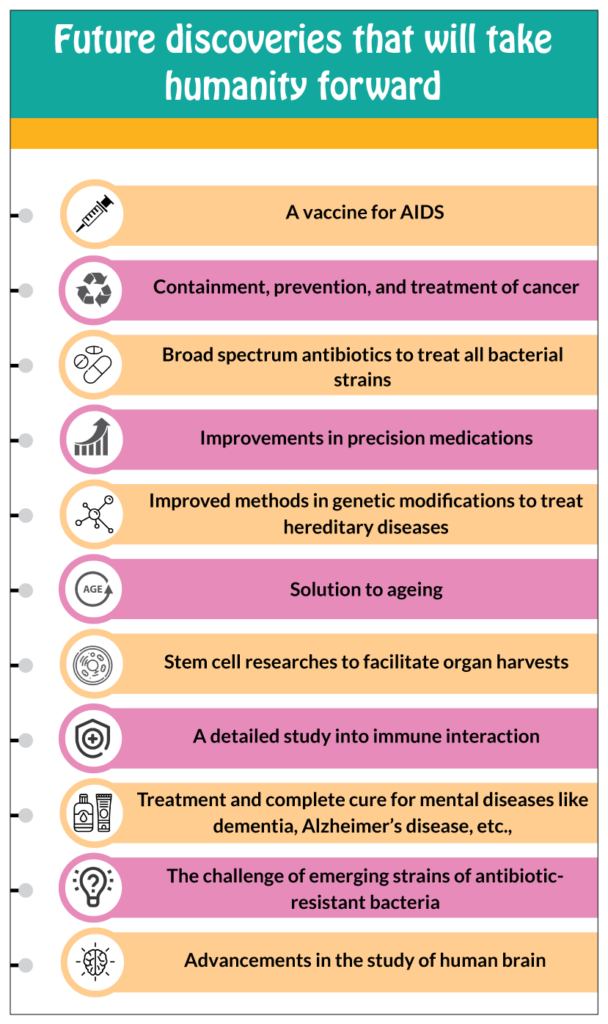
Medicine is the science dealing with the diagnosis, prognosis, treatment, and prevention of various ailments and diseases affecting the human body. Studying medicine and becoming a doctor is itself a long process; getting a PhD, i.e., MD-PhD is the highest honour in the field, if one doesn’t count the Nobel Prize for medicine. A doctor of medicine applies existing knowledge to treat a patient while an MD-PhD is someone that has furthered the body of existing knowledge and can also practice applying existing knowledge to treat people. Medicine or medical science is a vast field encompassing of various practices and specialisations in medicine. So, most often, research in medicine is specialised in a specific area within medicine. For example, a psychiatrist pursuing PhD will research on the human mind. Medicinal researches are vital to humanity than any other field, and as such cause, a significant improvement to the way mankind goes about living every time a milestone is achieved. The field has crossed leaps and bounds in the last two centuries, from discovering vaccines to sterilization techniques, and has dramatically impacted humankind with average life span across the world increasing from the mid-30s at the beginning of last century to mid-70s by the end of it. There are numerous unanswered questions and researches needed to be done in the field. Without dwelling into the details, here’s a list of all important discoveries that, if achieved, will take humankind into newer territories of health
- a vaccine for AIDS
- containment, prevention, and treatment of cancer
- broad spectrum antibiotics to treat all bacterial strains
- improvements in precision medications
- improved methods in genetic modifications to treat hereditary diseases
- solution to ageing
- stem cell researches to facilitate organ harvests
- a detailed study into immune interaction
- treatment and complete cure for mental diseases like dementia, Alzheimer’s disease, etc.,
- the challenge of antibiotic-resistant bacteria
- advancements in the study of human brain
- These are some general topics that rouse the curiosity of any enthusiast; a detailed medical research gap analysis will be subject specific and may involve the amalgamation of efforts and results from different streams and sciences to achieve a solution.
Research Help GuideResearch Subject
Related Topics
Latest Research Topics
Gap analysis
Knowledge gap
Educational research
Research study
Research paper
Research article
research gap analysis
identification research gap
finding research gap
Related Topics Medicine and health care

Related Services








- Potential Research Gaps in Medicine: Future Topics for PhD Researchers - September 24, 2019
- Antimicrobial Coatings for Medical Devices Market | Global Research Insights 2019-2028 - September 23, 2019
- NHS focus towards establishment of Artificial Intelligence lab to improvise medical research - September 23, 2019